Wondering whether a condo or a townhome makes more sense in Arlington? You are not alone. Many buyers want the convenience, walkability, and long-term value Arlington offers, but the right fit often comes down to how you want to live day to day. This guide will help you compare condos and townhomes in Arlington, understand how ownership works in Virginia, and narrow in on the option that best matches your budget, routine, and goals. Let’s dive in.
Why Arlington Offers Both Options
Arlington is built around a smart-growth planning model that places many homes, jobs, and amenities close to transit. The County identifies 12 urban villages, and in 2024 it reported 123,700 housing units, with 72.0% classified as multifamily and 5.7% as single-family attached.
That big gap helps explain why condos are such a major part of the Arlington housing market, while townhomes are a smaller but still important option. Arlington also reports more than 500 apartment and condo complexes, so if you are shopping for ownership close to transit and daily conveniences, condos will usually make up a large share of what you see.
Where Condos and Townhomes Usually Are
Arlington’s planning corridors shape where each housing type tends to appear. The County concentrates its highest density within about a quarter-mile of Metro station entrances, especially in the Rosslyn-Ballston corridor, along Richmond Highway, and around Columbia Pike’s commercial centers.
That is why condo towers, mid-rise buildings, and mixed-use buildings often cluster near Metro stations. Areas like Rosslyn, Ballston, Courthouse, Virginia Square, Crystal City, and Pentagon City are known for more transit-oriented, multifamily living.
Townhomes are more likely to show up just outside the densest station cores, in transition areas, or in older neighborhood settings. County materials describe places beyond the main corridors as having single-family homes, townhouses, smaller apartment communities, and limited two- and three-family dwellings.
This does not mean every condo is in a high-rise or every townhome is tucked away from transit. It does mean the general pattern is pretty consistent: if your top priority is being as close to Metro as possible, condos usually give you more options.
What Condo Living Usually Feels Like
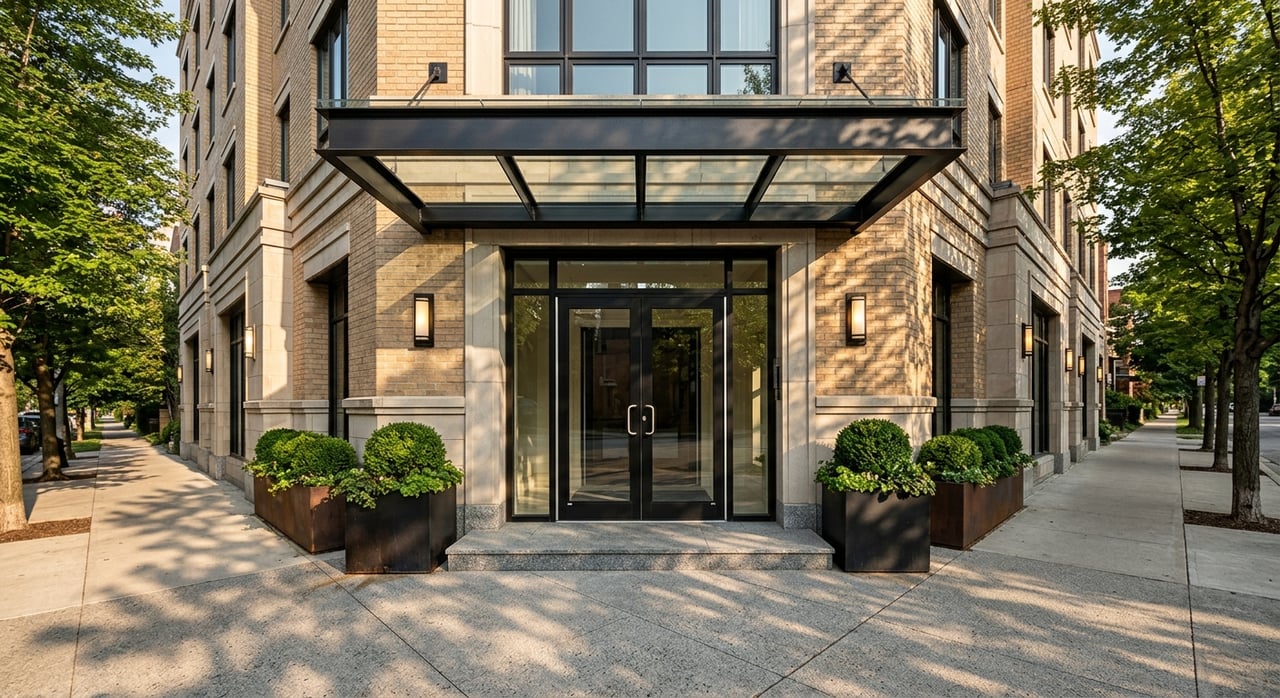
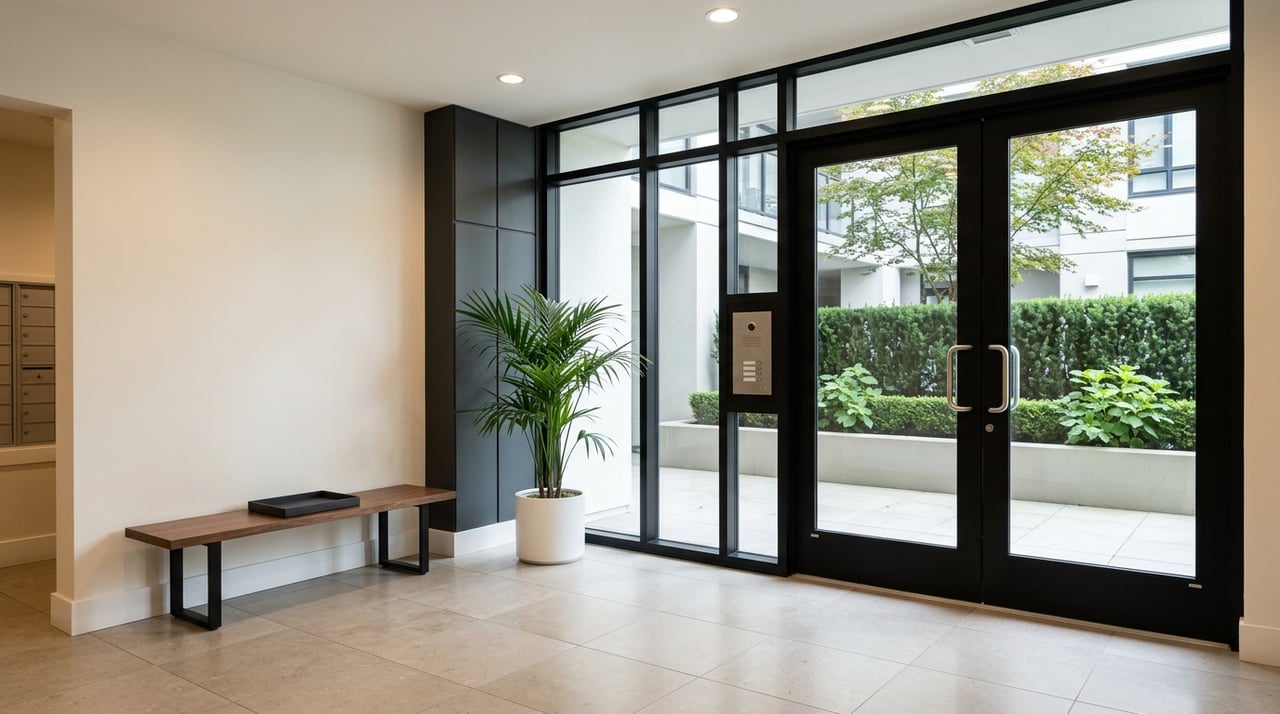
In Arlington, condo living often means a more vertical, amenity-oriented lifestyle. Many condo homes are in high-rise or mid-rise buildings with elevators, shared hallways, secured entries, and common spaces.
Rosslyn is a strong example. County planning materials describe more than 6,000 residences within a 10-minute walk of the Metro station, including high-rise apartment and condominium buildings, along with some newer luxury townhouses.
If you like the idea of stepping out your front door and being near transit, restaurants, shops, and work centers, a condo may feel like a natural fit. For many first-time buyers, this can also be an easier way to enter the Arlington ownership market with less day-to-day exterior upkeep.
What Townhome Living Usually Feels Like
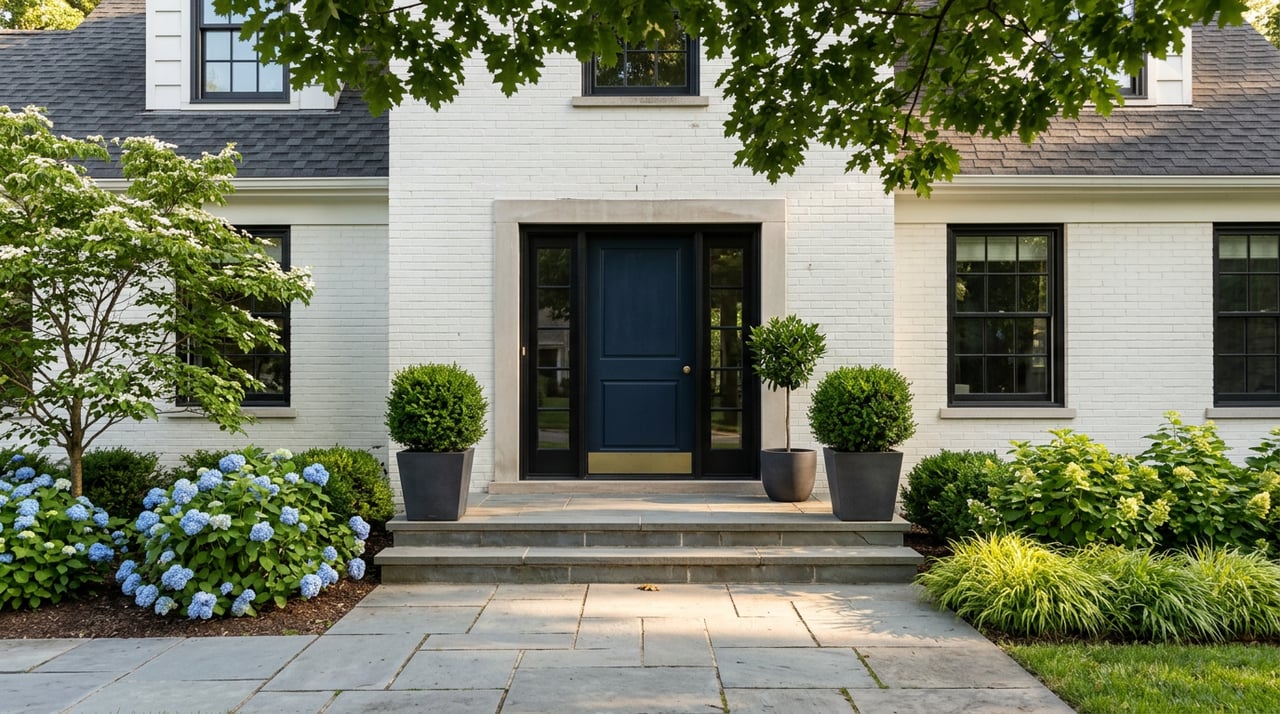
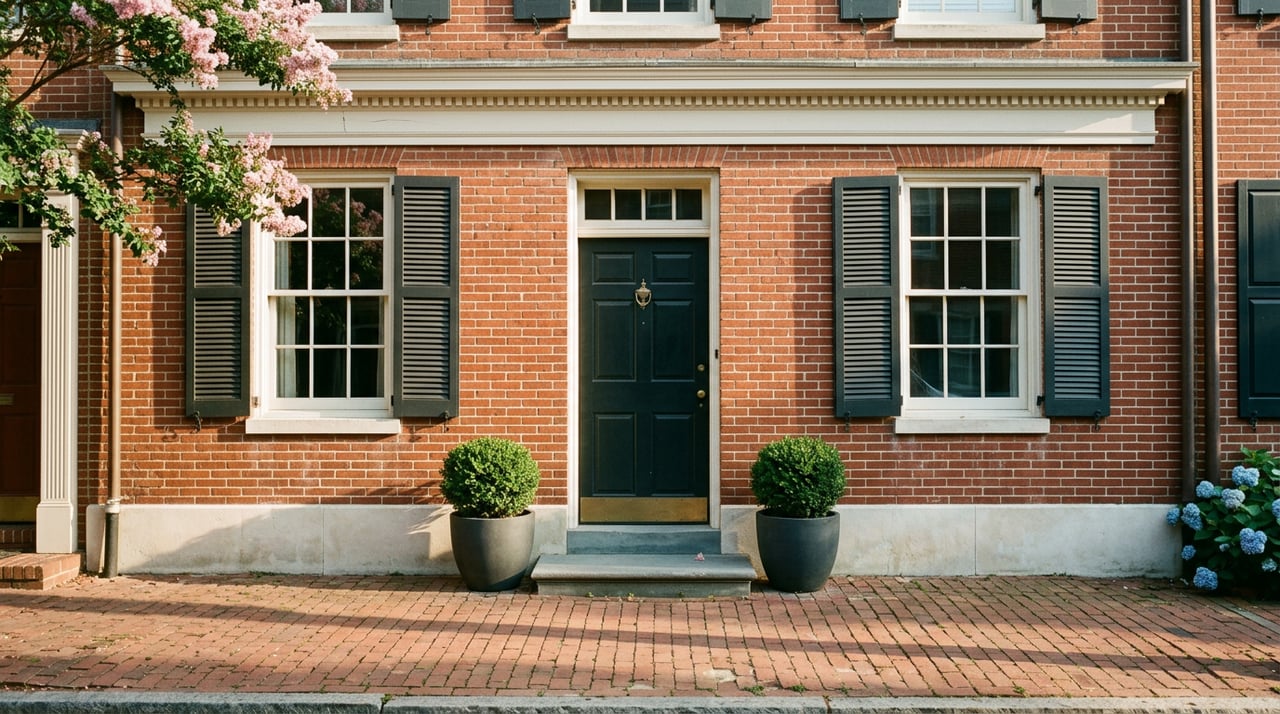
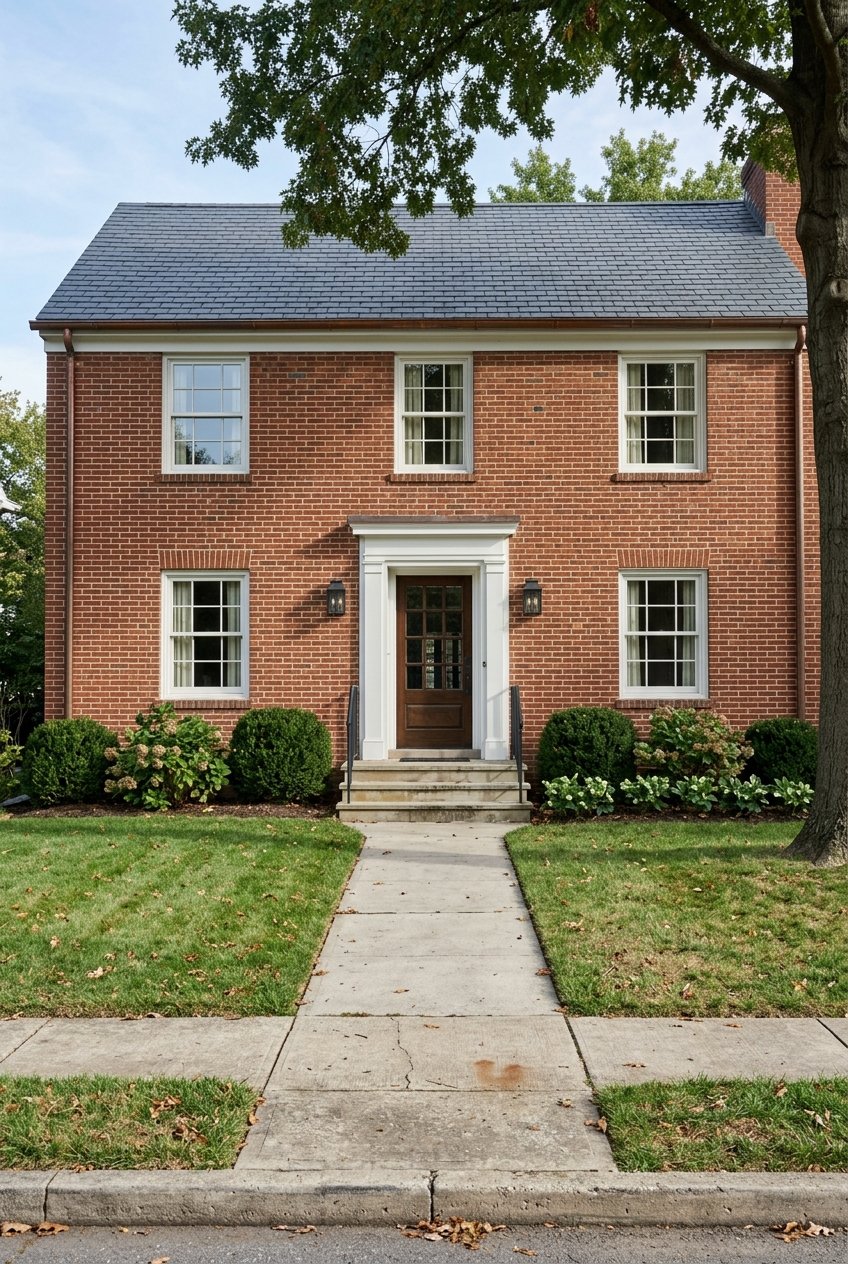
Townhomes often feel more private and more house-like. In Arlington, they are typically lower-scale than condo towers and more likely to offer direct entries, more separation from neighbors, and some form of private outdoor space such as a patio, roof deck, or small yard.
That added privacy can make a big difference in your daily routine. You may have fewer shared interior spaces, more room to spread out across multiple levels, and a layout that feels closer to a traditional home.
For buyers who want more space without moving to a detached house, a townhome can be a strong middle ground. It often suits move-up buyers, relocators, or anyone who wants a little more breathing room while staying in Arlington.
Ownership Rules Matter More Than Style
One of the biggest mistakes buyers make is assuming the building style tells them everything they need to know. In Virginia, a condominium is a legal ownership form, not just a building type.
Under Virginia law, a condo association is generally responsible for maintenance, repair, renovation, restoration, and replacement of the common elements. The unit owner is generally responsible for the unit itself unless the issue starts in the common elements.
That can make condo living feel simpler from a maintenance standpoint, because the association handles shared building components. Virginia law also allows association-level casualty and liability insurance for condominiums.
Townhomes can work differently. In a typical fee-simple townhome setting, owners often take on more exterior and lot-level upkeep, while also paying a pro rata share for common areas owned by the association. But the exact split depends on the governing documents, so you should not assume every townhome community works the same way.
Arlington County even notes that some townhouse-style homes can still carry a monthly condo fee. That is a helpful reminder that before you compare monthly dues, insurance, or maintenance tasks, you should confirm whether the property is fee simple, condominium, or another common-interest ownership structure.
Comparing Maintenance and Monthly Costs
When you compare a condo and a townhome, the purchase price is only part of the picture. Your monthly carrying cost and your maintenance responsibility matter just as much.
A condo may come with a monthly fee that covers the common elements and shared operations. In return, you may have fewer individual maintenance responsibilities tied to the building exterior or shared systems.
A townhome may offer more private space, but it can also come with more owner responsibility, depending on how the community is structured. In some cases, the owners’ association maintains only certain common areas, while the owner handles more of the exterior and lot-level upkeep.
A practical way to compare options is to look at:
- Monthly dues
- What those dues actually cover
- Your likely insurance setup
- Exterior maintenance responsibilities
- Long-term repair exposure
- How much hands-on upkeep you want in your life
Arlington’s Condominium Initiative, which offers classes, outreach, and technical assistance to condo communities, also signals how important reserves, repairs, and association governance can be locally. That makes document review especially important when you are evaluating a condo purchase.
Transit Access Can Tip the Scale
For many Arlington buyers, transit is the deciding factor. WMATA lists Rosslyn on the Orange, Silver, and Blue lines. Court House is on the Orange and Silver lines. Crystal City is on the Blue and Yellow lines. Virginia Square-GMU is on the Orange and Silver lines. Ballston is described by the County as being on the Orange line.
If your goal is to be within a short walk of Metro, condos usually offer the deepest inventory in those station areas. That is especially true in mixed-use and high-density parts of the Rosslyn-Ballston corridor and in places like Crystal City and Pentagon City.
If you do not mind being a little farther from the station core, a townhome may give you a different lifestyle tradeoff. You might gain more privacy and space while still staying within reach of Arlington’s transit network, job centers, and daily conveniences.
Which Option Fits Your Goals Best
The better choice depends less on labels and more on how you want your life to work.
Condo living may fit you if
- You want to be close to Metro and walkable commercial areas
- You prefer less exterior maintenance on your plate
- You like building amenities or secured-entry living
- You are a first-time buyer looking for a simpler ownership routine
Townhome living may fit you if
- You want more interior space across multiple levels
- You value privacy and direct entry
- You want a more house-like feel without buying detached
- You are comfortable taking on more upkeep, depending on the ownership structure
For some buyers, the decision is financial. For others, it is about daily rhythm. A condo may support a lock-and-leave lifestyle, while a townhome may better support work-from-home needs, storage needs, or a stronger preference for private outdoor space.
Arlington Areas to Watch by Home Style
While every listing is different, Arlington’s neighborhood pattern can help you focus your search.
Condo-heavy options are commonly found in places such as Rosslyn, Ballston, Courthouse, Clarendon, Virginia Square, Crystal City, Pentagon City, and multifamily sections along Columbia Pike. These areas are tied closely to commercial centers and transit-oriented development.
Townhomes and townhouse-style homes are more commonly found outside the corridor cores or in smaller pockets of lower-density housing. County descriptions identify East Falls Church as a residential community with single-family homes and townhouses, and similar patterns appear in other areas beyond the densest Metro blocks.
This kind of location filter can save you time. If you start with lifestyle first, then align it with Arlington’s planning geography, your search becomes much more focused.
How to Make a Smarter Decision
A smart Arlington home search looks at both lifestyle and legal structure. Before you commit to either a condo or a townhome, make sure you understand not just how the home looks, but how ownership actually works.
Here are a few useful questions to ask as you compare homes:
- Is this property a condominium or fee-simple townhome?
- What does the monthly fee cover?
- Who maintains the roof, exterior, and common systems?
- Are there shared spaces or amenities you will use regularly?
- How important is Metro access to your routine?
- Do you want convenience first, or privacy and space first?
The right answer is the one that fits your priorities now and still makes sense a few years from now. Arlington gives you both paths, but each path comes with different tradeoffs.
If you want help comparing condo and townhome options in Arlington with a practical, numbers-aware approach, Ricardo Vasquez can help you sort through the tradeoffs and find the right fit for your lifestyle and long-term goals.
FAQs
What is the main difference between condo and townhome ownership in Arlington?
- In Arlington, the biggest difference is often the legal ownership structure and maintenance responsibility, not just the building style. Condos usually have association responsibility for common elements, while townhomes may place more exterior upkeep on the owner depending on the governing documents.
Are condos more common than townhomes in Arlington?
- Yes. Arlington reported that 72.0% of its 2024 housing units were multifamily, compared with 5.7% classified as single-family attached, which helps explain why condos are much more common than townhomes.
Are Arlington condos usually closer to Metro?
- Often, yes. Arlington concentrates higher-density housing near Metro station areas, so condo buildings are commonly found in places like Rosslyn, Ballston, Courthouse, Virginia Square, Crystal City, and Pentagon City.
Can a townhouse-style home still have condo fees in Arlington?
- Yes. Arlington County notes that some townhouse-style homes can still be part of a condominium structure and carry a monthly condo fee, so buyers should verify the legal form before comparing costs.
Is a townhome always more private than a condo in Arlington?
- Not always, but that is a common pattern. Townhomes in Arlington often provide direct entries and a more house-like setup, while condos more often involve shared halls and common building spaces.
Which is better for a first-time buyer in Arlington: a condo or a townhome?
- It depends on your priorities. A condo may be a better fit if you want easier upkeep and strong transit access, while a townhome may work better if you want more space, privacy, and a more traditional home feel.