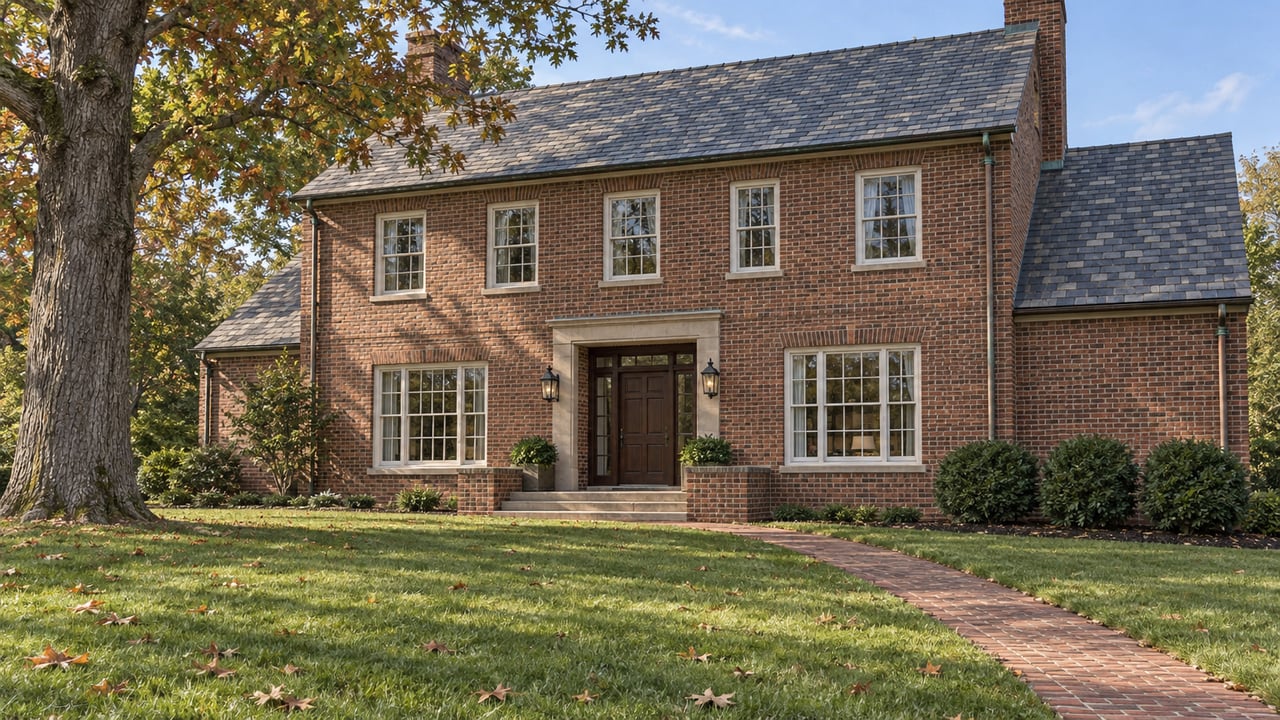
If you already own a home and want more space, a better layout, or a property that fits your next chapter, McLean can be an exciting place to look. It can also be a costly place to make a rushed decision. With home prices far above the broader Fairfax County average and homes moving quickly, a smart move-up plan matters. Let’s walk through how to prepare, protect your budget, and buy with more confidence.
Why McLean requires careful planning
A move-up purchase in McLean is not just a bigger version of your last transaction. It usually means a much higher price point, tighter timing, and more pressure to coordinate two major events at once: selling your current home and buying the next one.
Recent market data shows McLean’s median sale price at $1,927,455. Homes are selling in about 19 days, with 2 offers on average, a 99.6% sale-to-list ratio, and 36.6% of homes selling above list price. In short, you may not have much time to hesitate when the right home appears.
For context, Fairfax County’s average sales price was $859,078 in February 2026, with about 1.5 months of supply countywide. That means McLean’s median sale price is roughly 2.24 times the county average, which makes budgeting and timing even more important for move-up buyers.
Start with your real budget
Before you browse listings seriously, you need a clear picture of what your current home can contribute to the next purchase. That means looking beyond estimated sale price and focusing on your likely net proceeds after mortgage payoff and selling costs.
This step helps you avoid a common move-up mistake: shopping based on hope instead of real numbers. In a market like McLean, that can leave you scrambling to stretch beyond your comfort zone just to stay competitive.
Know the costs of owning in McLean
Your monthly payment is only part of the picture. Fairfax County’s 2026 base real estate tax rate is $1.12 per $100 of assessed value, and some McLean parcels may also include the McLean Community Center service district rate of $0.023 per $100.
Using McLean’s median sale price as a rough example, that translates to about $21,587 per year in county real estate tax, plus about $443 for the McLean Community Center district, before any other parcel-specific charges. Fairfax County also assesses real estate at 100% of fair market value as of January 1, and tax bills are paid in two installments.
Those numbers do not mean every home will cost the same. They do show why move-up buyers should build a full ownership budget before writing offers.
Include the full move-up budget
A realistic plan should account for more than the down payment. You should also budget for:
- Property taxes
- Homeowners insurance
- HOA dues, if applicable
- Closing costs
- Moving expenses
- Repairs or improvements
- Sale preparation costs for your current home
If you are fixing up one home while preparing to buy another, cash can get tight faster than expected. A calm, numbers-first approach gives you more control.
Decide whether to sell first or buy first
For many homeowners, the safest default is to sell the current home before buying another one. That approach can reduce the risk of carrying two housing payments at the same time.
Still, the right answer depends on your equity, liquidity, income stability, and comfort with risk. In McLean, where homes can go under contract quickly, the challenge is balancing caution with readiness.
Selling first lowers overlap risk
Selling first can make your next purchase cleaner and more predictable. You know how much cash you have, your debt picture is clearer, and you can shop with stronger financial footing.
The tradeoff is timing. If your home sells before you secure the next one, you may need a temporary housing plan or very careful closing coordination.
Buying first may offer flexibility, but with more pressure
Buying first can help if you find the right home and do not want to miss it. It may also reduce the stress of moving twice.
But this route can create more financial strain. If your current home does not sell on schedule, you could be carrying two housing obligations at once, and that risk should be evaluated honestly.
Build a timeline that matches McLean’s pace
In a faster market, a loose plan is not enough. Once an offer is accepted, mortgage timing and purchase closing usually move together, so coordination matters from the start.
A practical move-up timeline often looks like this:
- Estimate your current home’s market value
- Calculate mortgage payoff and likely selling costs
- Set your maximum safe purchase budget
- Decide whether to sell first, buy first, or use short-term financing
- Prepare your current home for market if needed
- Get financing lined up before making offers
- Coordinate contract and closing dates as closely as possible
Because McLean homes are selling in about 19 days, a sale contingency may be harder to use than in a slower market. Your offer strategy should fit your actual financial position, not a generic playbook.
Compare bridge financing carefully
Some move-up buyers use home equity to bridge the gap between selling one property and buying the next. These tools can be useful, but they do not remove risk. They simply shift how that risk is managed.
The right fit depends on whether you need flexibility, payment predictability, or short-term speed.
HELOC
A home equity line of credit, or HELOC, is a revolving credit line secured by your home equity. If you already have a first mortgage, it is generally a second mortgage.
A HELOC can be helpful because you can draw funds as needed during the draw period. But it usually comes with an adjustable rate, payments can change, and a lender may freeze or limit borrowing if your home value drops or your financial circumstances change.
Home equity loan
A home equity loan is a lump-sum loan against your equity. It is also usually a second mortgage if you already have a first mortgage.
Compared with a HELOC, this option may feel more predictable because you receive the money up front and repay it in regular monthly payments. If you know exactly how much cash you need to bridge to the next home, that predictability can be useful.
Bridge loan
A bridge loan is a short-term financing tool often used when you are buying a new home while expecting to sell your current one soon. The short time frame can help when timing is tight and sale proceeds are expected within that period.
The upside is speed. The downside is simple: your current home still needs to sell on schedule for the plan to work as intended.
Cash-out refinance
A cash-out refinance replaces your current mortgage with a larger one and gives you the difference in cash. This can simplify borrowing into one first mortgage, but it may also involve closing costs.
It should be compared carefully against the terms of your existing loan. In some cases it may help, and in others it may create more cost than it solves.
Choose a home with future resale in mind
A move-up purchase should improve your life now, but it should also remain marketable later. That matters in any market, and especially in a high-cost market where buyers are making large financial commitments.
Research on remodeling impact shows that buyers are paying close attention to condition. Nearly 46% of buyers say they are less willing to compromise on condition, which makes visible upkeep and practical updates especially important.
Focus on broad appeal
The safest resale-supporting features are usually the ones that reduce objections. Think about a home that feels more spacious, more functional, and better maintained, rather than one filled with highly personal custom choices.
In practical terms, broad-appeal features may include:
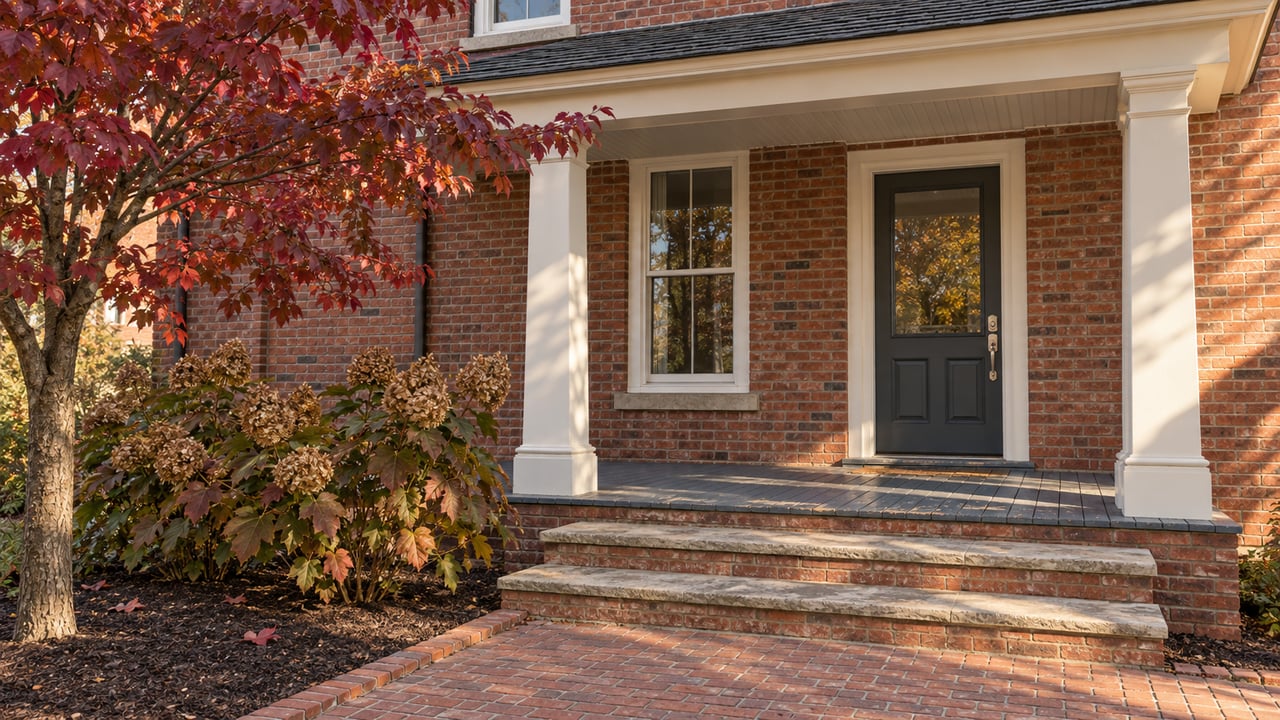
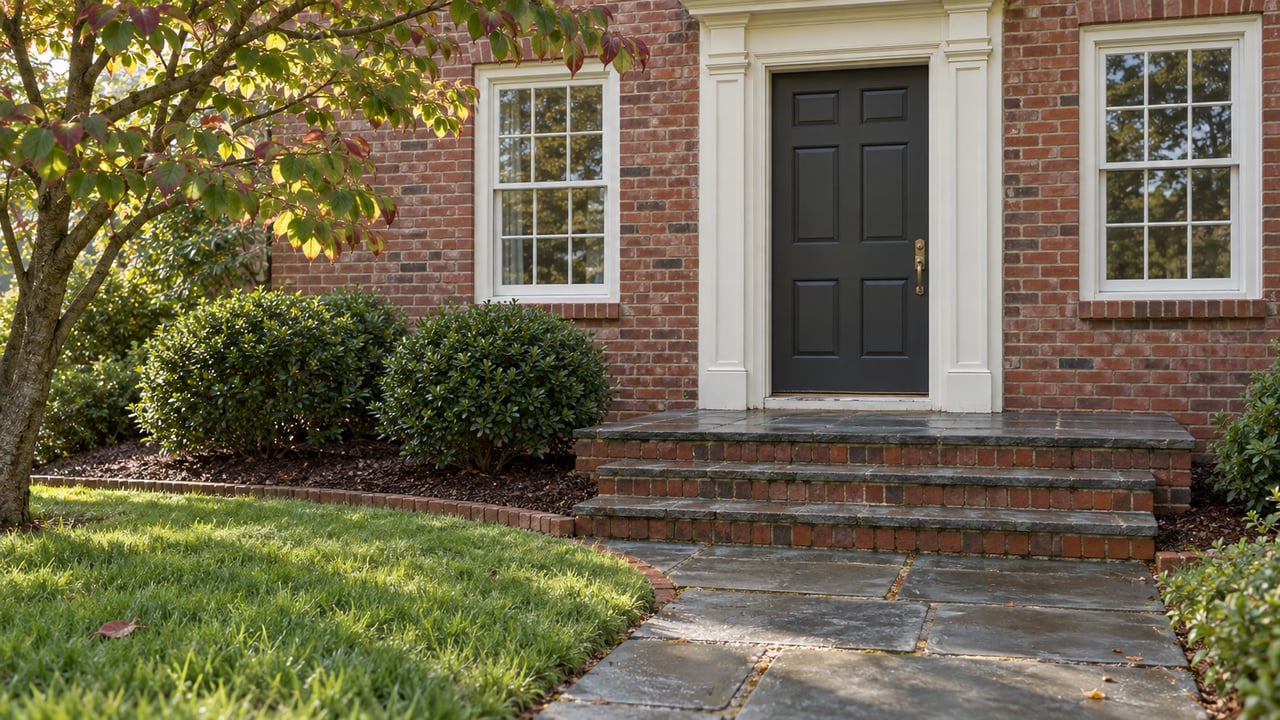
- A clean, current front entry
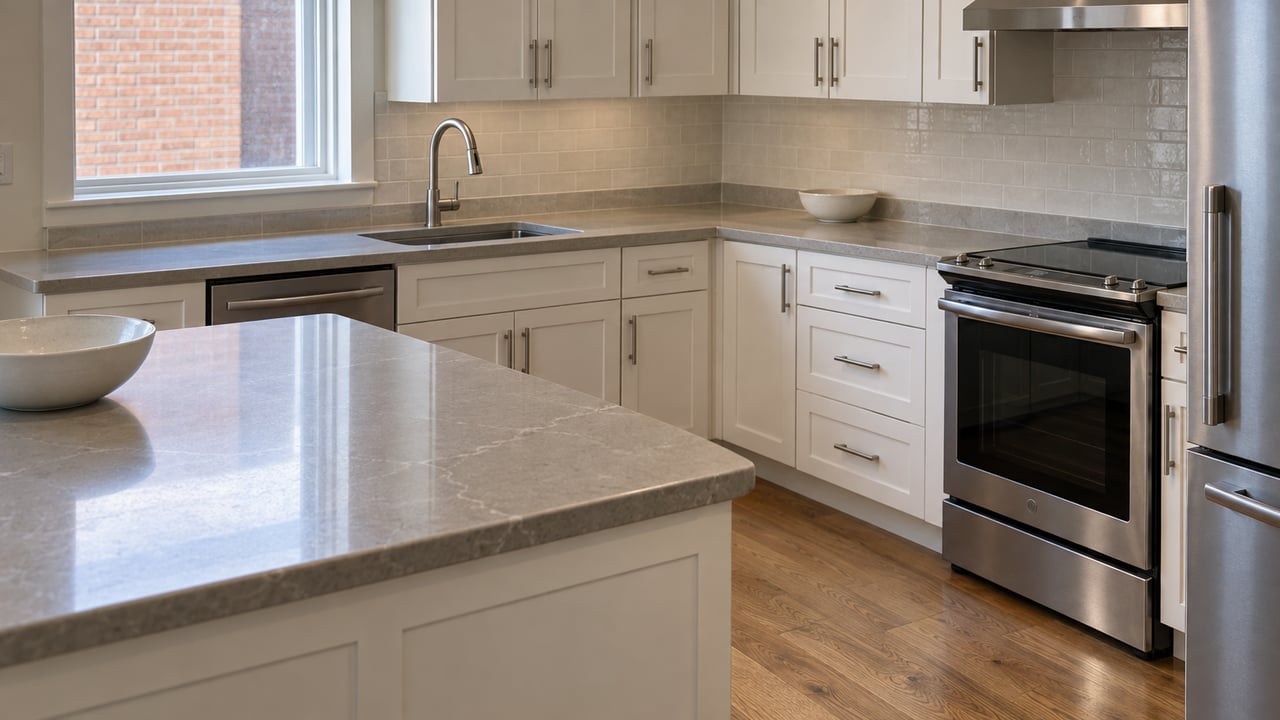
- Functional kitchen and bath spaces
- Good storage and closet space
- Flexible living areas
- A finished lower level or other usable square footage
- Windows and exterior elements that appear well maintained
This does not mean you should ignore style. It means style should support function and future marketability.
Understand which updates tend to hold value
Resale data points to several projects with strong cost recovery, including:
- New steel front door: 100%
- Closet renovation: 83%
- New fiberglass front door: 80%
- New vinyl windows: 74%
- New wood windows: 71%
- Basement conversion to living area: 71%
- Attic conversion to living area: 67%
- Complete kitchen renovation: 60%
- Minor kitchen upgrade: 60%
- Bathroom addition: 56%
- New primary suite: 54%
- Bathroom renovation: 50%
Every property is different, so no update is guaranteed to pay off the same way in every situation. Still, for a move-up buyer in McLean, it is wise to favor usable space, visible condition, and timeless presentation over expensive upgrades tied to one person’s taste.
Protect yourself before closing
As your purchase comes together, do not let momentum push you past the details. Before closing, it is important to do a final walk-through, review your documents carefully, and confirm that repairs, credits, and loan terms match what you agreed to.
If something does not line up, slow down and ask questions before signing. A calm review at the end can prevent expensive surprises after move-in.
A smarter move-up plan starts early
The best move-up purchases in McLean usually do not happen because someone got lucky. They happen because the homeowner planned early, understood the budget, prepared for timing pressure, and chose a home that works both emotionally and financially.
If you are thinking about selling your current home and buying your next one in McLean, the process gets much easier when you map out the numbers, sequence, and presentation strategy before the pressure is on. When you are ready for thoughtful guidance on both sides of the move, connect with Ricardo Vasquez.
FAQs
What makes a move-up purchase in McLean different from other Fairfax County moves?
- McLean is significantly more expensive than the broader county market, with a median sale price of $1,927,455 versus Fairfax County’s average sales price of $859,078, so budgeting mistakes can have a bigger impact.
How fast do homes sell in McLean right now?
- Recent data shows homes in McLean selling in about 19 days on average, with 2 offers on average, which means buyers often need financing and timing lined up before the right property appears.
Should you sell your current home before buying in McLean?
- For many homeowners, selling first is the safer default because it can reduce the risk of carrying two housing payments, but the best choice depends on your equity, liquidity, and comfort with timing risk.
What ownership costs should you budget for when buying in McLean?
- In addition to your mortgage, you should budget for real estate taxes, insurance, possible HOA dues, closing costs, moving costs, and any repairs or improvements.
What financing options can help with a McLean move-up purchase?
- Common bridge options include a HELOC, home equity loan, bridge loan, or cash-out refinance, and each comes with different tradeoffs in flexibility, predictability, and risk.
What features should you prioritize in a McLean move-up home?
- It is generally smart to prioritize usable space, strong condition, functional kitchens and baths, good storage, and broad resale appeal over highly customized finishes.