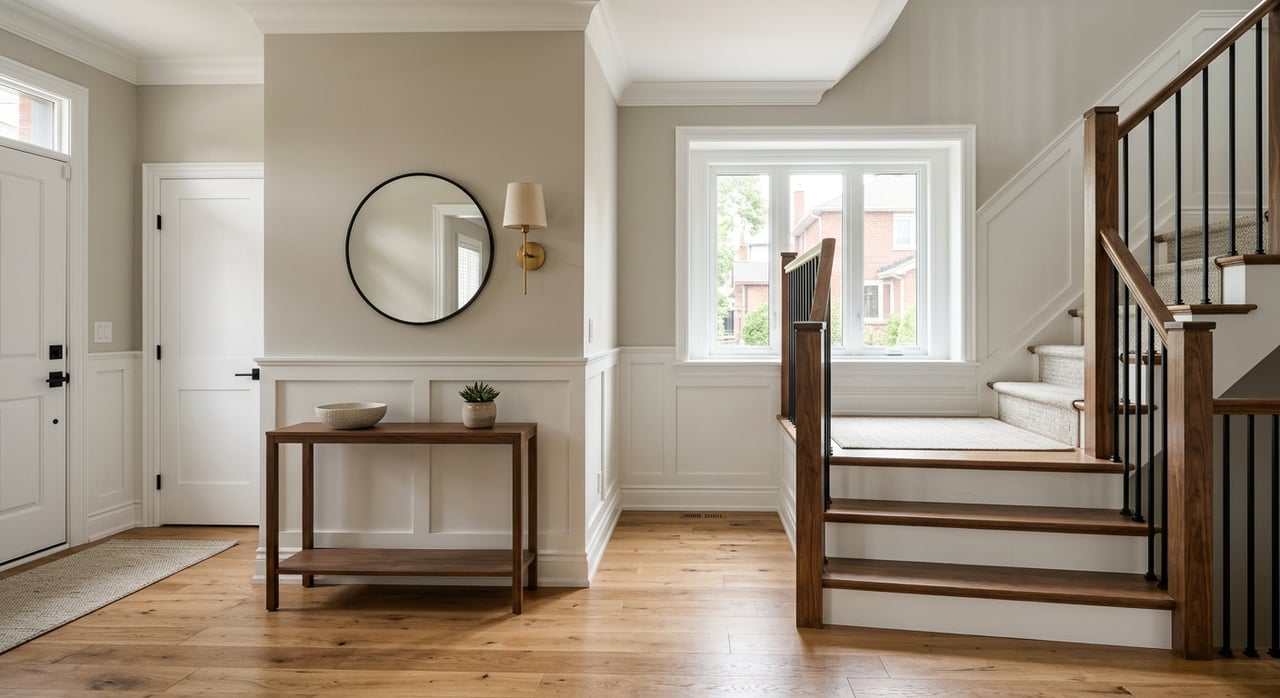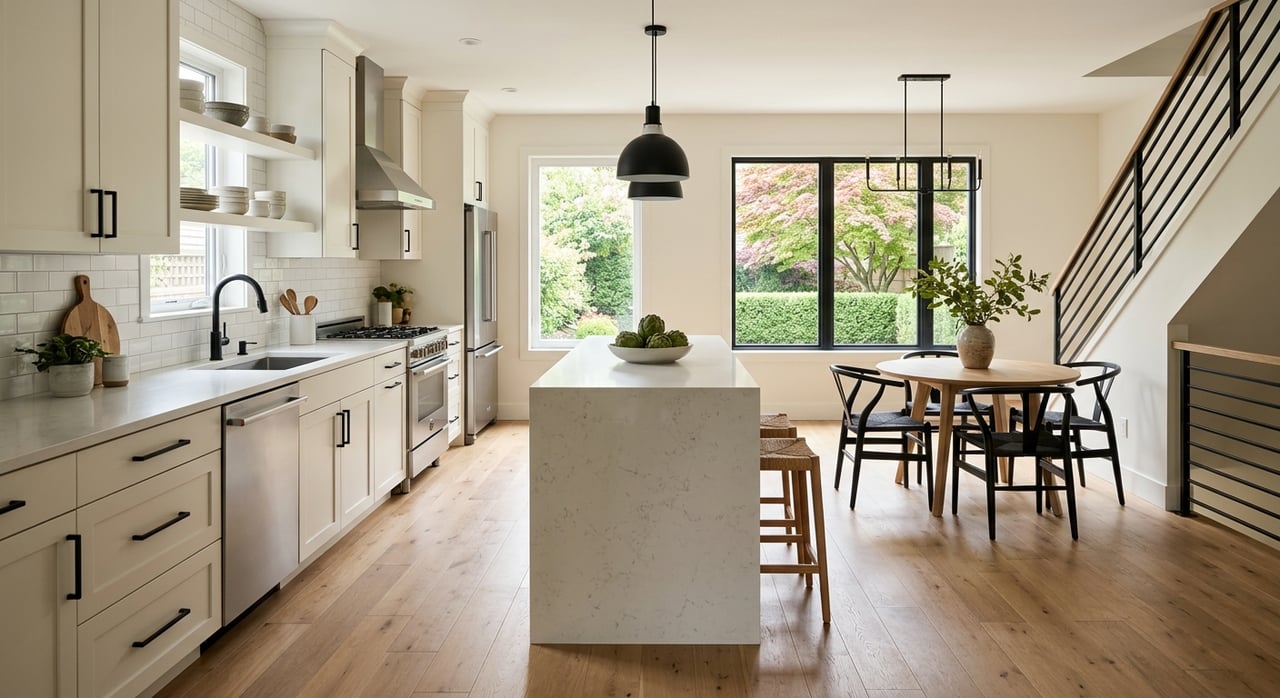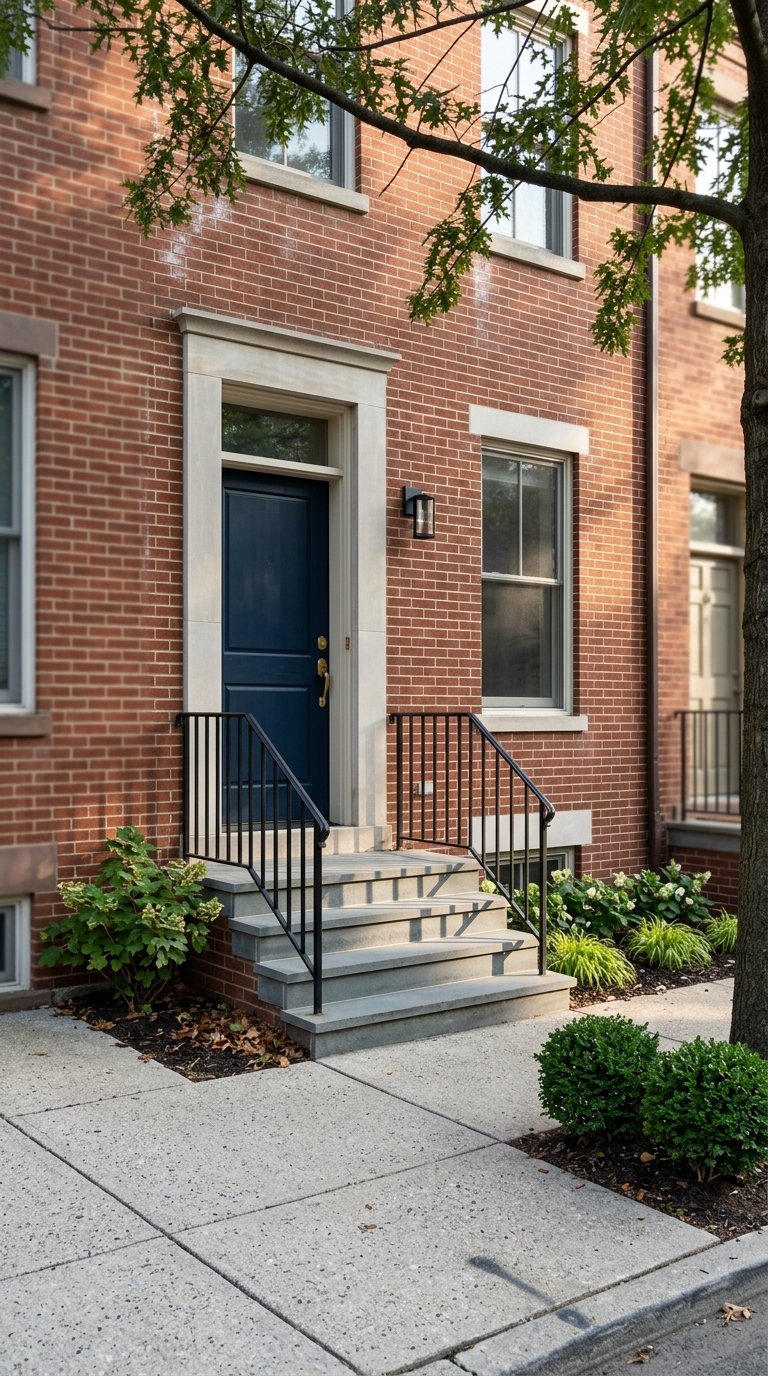
Selling in Chevy Chase is not the same as selling in a faster, lower-priced market. Buyers here tend to notice condition, layout, light, and how well a home’s character comes through. If you are getting ready to sell, a thoughtful prep plan can help you reduce friction, present your home with confidence, and launch at the right moment. Let’s dive in.
Why prep matters in Chevy Chase
Chevy Chase remains a high-value market, with Redfin reporting a March 2026 median sale price of $1,322,885. The same report shows median days on market at 64, a 99.5% sale-to-list ratio, and 30% of homes selling above list. That tells you demand is real, but buyers are still making distinctions.
By comparison, Montgomery County overall moved at a lower median price point and a faster market pace, according to the same Chevy Chase market snapshot. In practical terms, that means presentation and pricing discipline tend to matter even more in Chevy Chase. A polished launch can help your home compete without relying on guesswork.
Start with a repair-first mindset
Before you think about paint colors or photography, look at the basics. Buyers tend to respond better when a home feels cared for, functional, and ready for the market. That does not mean you need a major renovation.
Montgomery County makes an important distinction between repair and renovation. According to the county’s residential alterations guidance, permits are generally not required for painting, wallpapering, replacing a faucet, installing countertops, or installing hardwood, tile, or carpet when there are no structural changes involved.
That creates a smart path for many sellers. Focus first on visible, low-friction updates that improve how the home shows. Save larger projects for situations where there is a true defect, safety issue, or a clear return case.
What to fix before listing
A strong seller-prep plan usually starts with the items buyers notice right away:
- Leaky faucets or running toilets
- Scuffed walls or tired paint
- Loose hardware or sticky doors
- Burned-out light bulbs or dim lighting
- Damaged flooring or worn carpet
- Minor caulking gaps in kitchens and baths
- Deferred maintenance that makes the home feel neglected
These are not glamorous fixes, but they can shape first impressions. In a market where homes often sell near asking price but may take time to move, visible upkeep helps reduce objections.
Know the permit guardrails
If you are considering exterior work, be especially careful. Montgomery County notes that Historic Area Work Permits are required for substantive exterior changes on properties in historic districts or on individual historic sites, including work involving character-defining elements such as windows, doors, porches, steps, and shutters.
Ordinary maintenance may still be allowed without that level of review when materials and design stay substantially the same. But if your home has historic status or sits within a regulated area, it is wise to confirm the rules before starting work. The county also notes that some projects may trigger separate electrical, mechanical, zoning, municipal, or HOA requirements under its alterations process.
For many Chevy Chase sellers, the safest strategy is simple: avoid exterior scope creep unless it is necessary. Interior refreshes often offer a cleaner path to market readiness.
Match the prep to the architecture
Chevy Chase has a wide architectural range. Historic survey materials from Montgomery Planning describe late-19th- and early-20th-century Colonial Revival, Neoclassical, Shingle, Tudor Revival, Italian Renaissance, and Craftsman homes, along with later Modern and Modern-Ranch examples.
That variety matters when you prepare a home for sale. A one-size-fits-all staging plan can miss what makes a property feel special. The goal is not to erase the architecture. It is to make it easier for buyers to see it.
For traditional homes
If your home has older architectural detail, let those features breathe. Original trim, fireplaces, symmetry, and room proportions often read best when furniture is scaled correctly and visual clutter is reduced.
Try to keep the room layout straightforward. You want buyers to notice the molding, ceiling height, windows, and flow, not a crowded collection of furniture or accessories.
For modern or ranch homes
If your home has simpler lines, cleaner furniture groupings usually work better. Open sightlines, fewer visual interruptions, and restrained styling can help buyers understand the layout more quickly.
This approach also helps the home feel calm and intentional. In both traditional and modern homes, clarity tends to outperform over-decorating.
Stage the rooms buyers care about most
Staging does not have to mean transforming every room. According to the National Association of Realtors 2025 home staging snapshot, 83% of buyers’ agents said staging made it easier for buyers to visualize a future home. The most commonly staged rooms were the living room at 91%, the primary bedroom at 83%, and the dining room at 69%.
That gives you a clear priority list. If time or budget is limited, start with the main spaces that shape the overall impression of the home. Those are often the rooms that appear first in photos and carry the emotional weight of a showing.
NAR also notes in its staging guidance that light and neutral color, obvious room function, and reduced clutter all help. It also warns against leaving a vacant home so empty that rooms feel smaller than they are.
Simple staging moves that help
Here are a few practical ways to make your home feel more market-ready:
- Use neutral, light wall colors where updates are needed
- Keep each room’s purpose obvious
- Remove excess furniture that blocks flow
- Add lighting that brightens without feeling harsh
- Minimize personal items and visual clutter
- Use furniture to show scale, not fill every corner
This is where thoughtful presentation can make a big difference. In Chevy Chase, buyers often respond well when a home feels polished but still authentic to its design.
Improve light and sightlines
Light plays an outsized role in how buyers experience a home. Bright rooms tend to feel cleaner, larger, and more inviting in person and in listing photos. That is especially important in homes with mature landscaping, varied room sizes, or older layouts.
Use a simple checklist as you prepare. Open window coverings where privacy allows, replace weak bulbs, and remove furniture that cuts across natural pathways. Even small adjustments can help the home feel more open and easier to understand.
Price for condition, not hope
A strong prep plan works best when it is paired with realistic pricing. Chevy Chase homes are still selling close to list on average, but the market data suggests buyers are not ignoring flaws. Redfin’s market numbers support a practical takeaway: well-prepared homes can compete strongly, while overpricing can create drag.
That matters because prep and price are connected. If you complete repairs, simplify the presentation, and show the home well, you give your pricing strategy more support. If the home needs work and the price does not reflect that, buyers may hesitate.
Build an early-spring launch calendar
Timing also matters. Zillow’s 2026 best time to list research says homes listed in the last two weeks of May sold for 1.7% more nationally, and its metro timing table places Washington, DC’s strongest listing window in the last two weeks of April. Zillow also notes that buyer demand usually peaks before Memorial Day.
For Chevy Chase sellers, that makes an early-spring prep calendar a sensible strategy. If you want to hit a prime window, you may need to begin repairs, decluttering, paint, and staging earlier than expected. Good prep rarely feels rushed.
A simple seller timeline
A clean launch often follows this sequence:
- Walk through the home and identify repairs
- Confirm whether any planned work needs permits or approvals
- Complete light cosmetic updates
- Declutter and simplify each main room
- Stage key spaces with scale and function in mind
- Schedule photography after the home is fully ready
- Launch with pricing that matches condition and competition
This type of sequencing helps you avoid wasted effort. It also supports a calmer selling experience because fewer decisions are happening at the last minute.
Focus on confidence, not perfection
You do not need to create a flawless house. You need to present a home that feels well-maintained, visually clear, and appropriately priced for the market. In Chevy Chase, that combination often matters more than expensive over-improvements.
The strongest strategy is usually disciplined rather than dramatic. Fix what needs fixing, make smart updates that are easy to execute, respect the home’s architecture, and bring the property to market with a clear plan. That is how you create confidence for buyers and for yourself.
If you are getting ready to sell in Chevy Chase and want practical guidance on pricing, presentation, and what is actually worth doing before you list, Ricardo Vasquez can help you build a thoughtful plan that fits your home and your timing.
FAQs
What home improvements matter most before selling a Chevy Chase home?
- The most useful pre-listing improvements are usually visible repairs, fresh paint where needed, better lighting, decluttering, and staging the main rooms so buyers can easily understand the home.
Do Chevy Chase sellers need permits for pre-sale updates?
- Not always. Montgomery County says permits are generally not required for work like painting, wallpapering, replacing a faucet, installing countertops, or installing hardwood, tile, or carpet when no structural changes are involved, but some projects may trigger additional approvals.
How does historic status affect exterior work on a Chevy Chase home?
- If a home is in a historic district or is an individual historic site, substantive exterior changes may require a Historic Area Work Permit and approval before the work begins.
Which rooms should sellers stage first in a Chevy Chase listing?
- Based on NAR staging data, sellers should typically prioritize the living room, primary bedroom, and dining room because those spaces often have the biggest impact on buyer perception.
When is the best time to list a Chevy Chase home?
- Zillow’s 2026 research points to strong spring timing, with the Washington, DC metro area showing a strongest window in the last two weeks of April, so many sellers benefit from completing prep work in early spring.