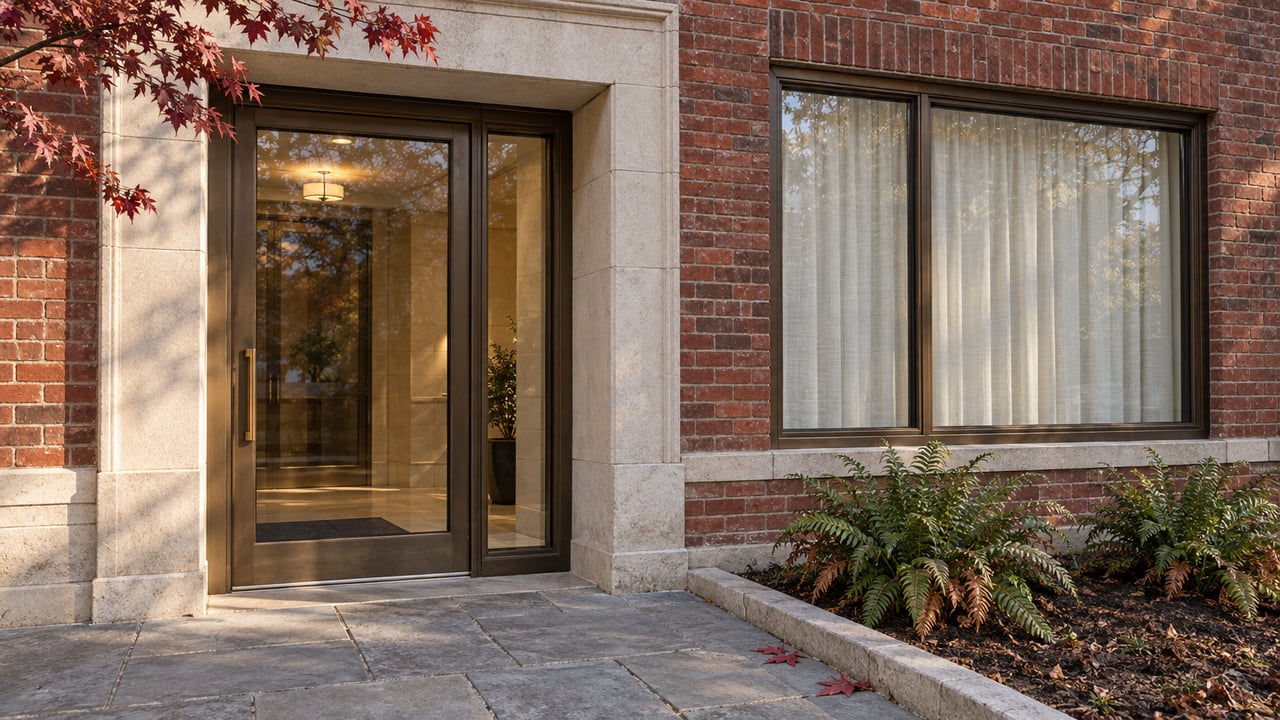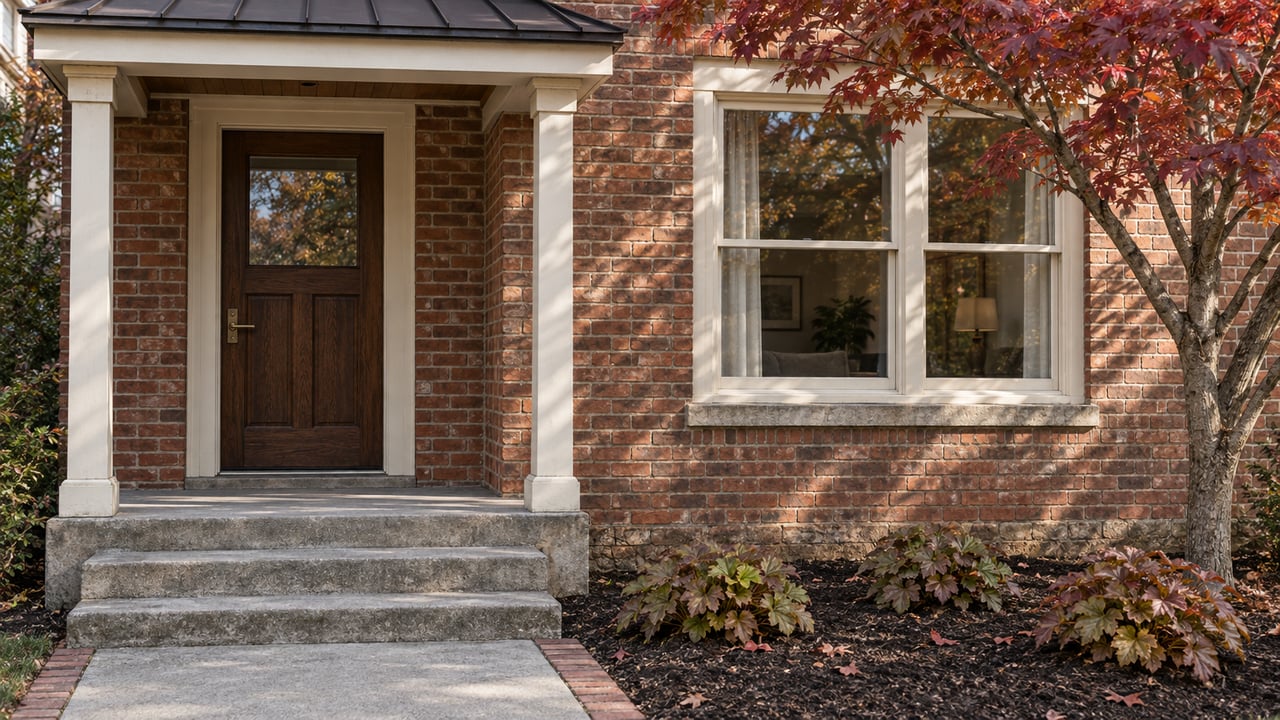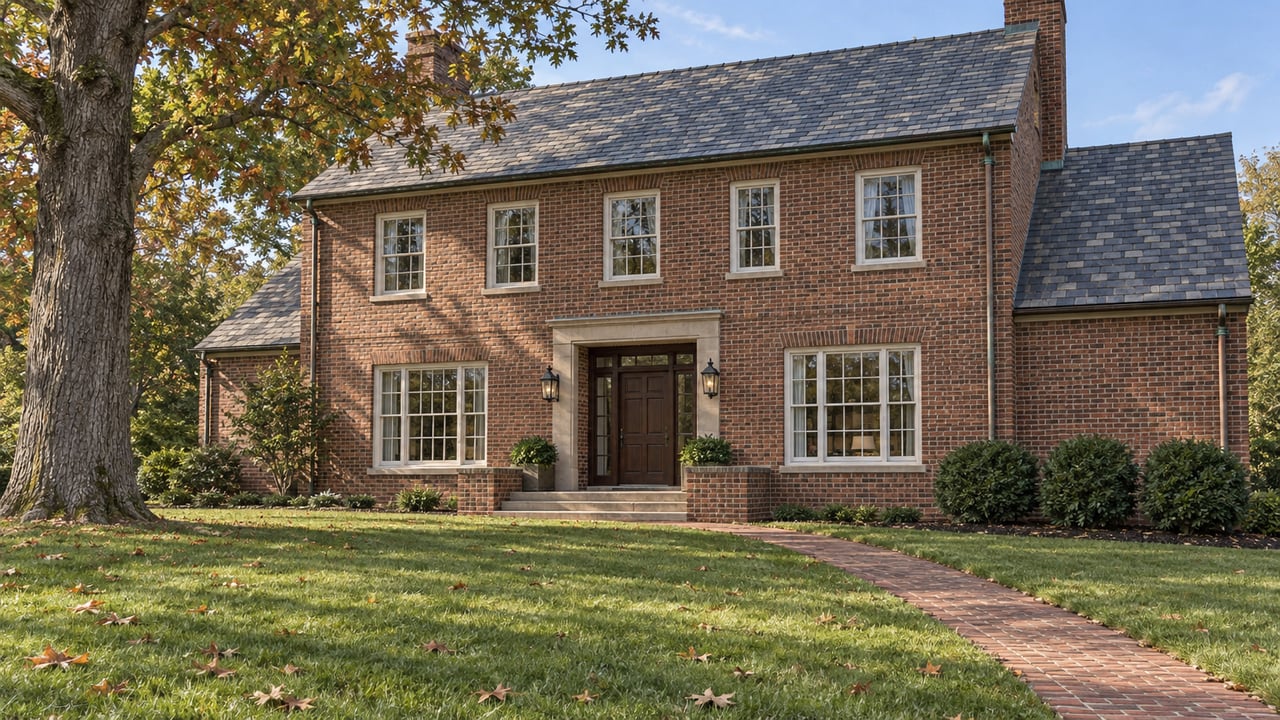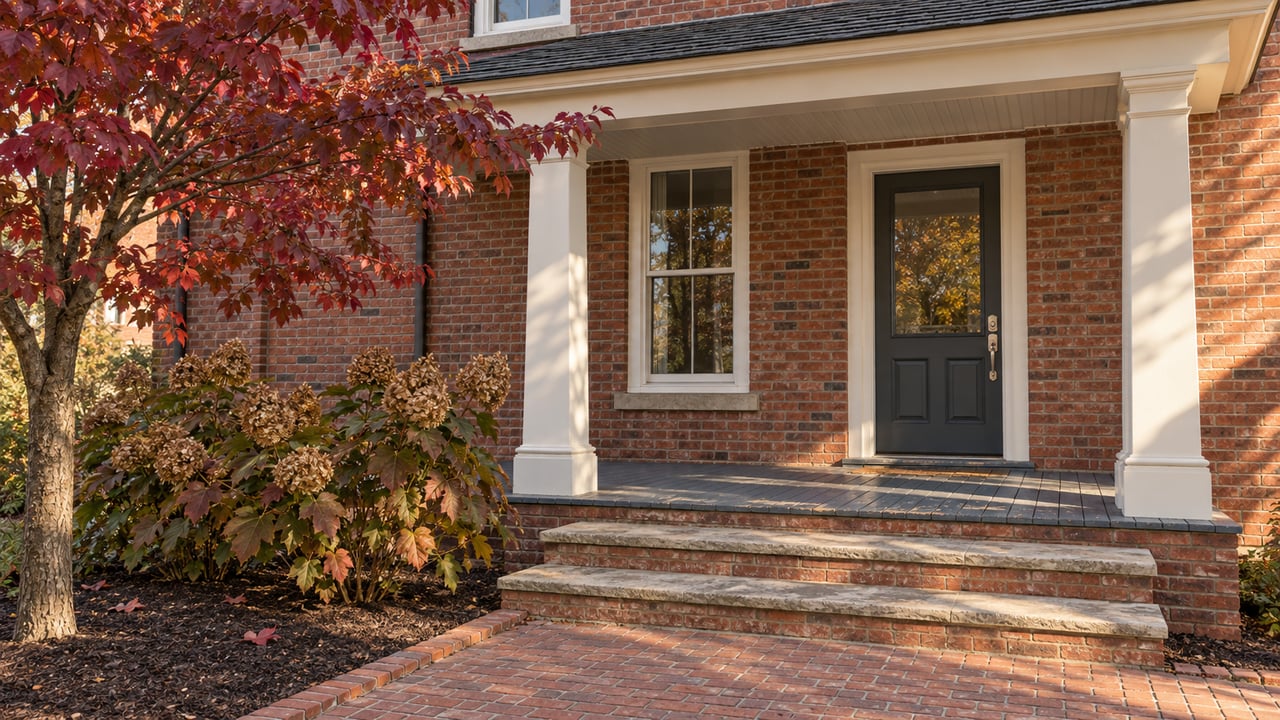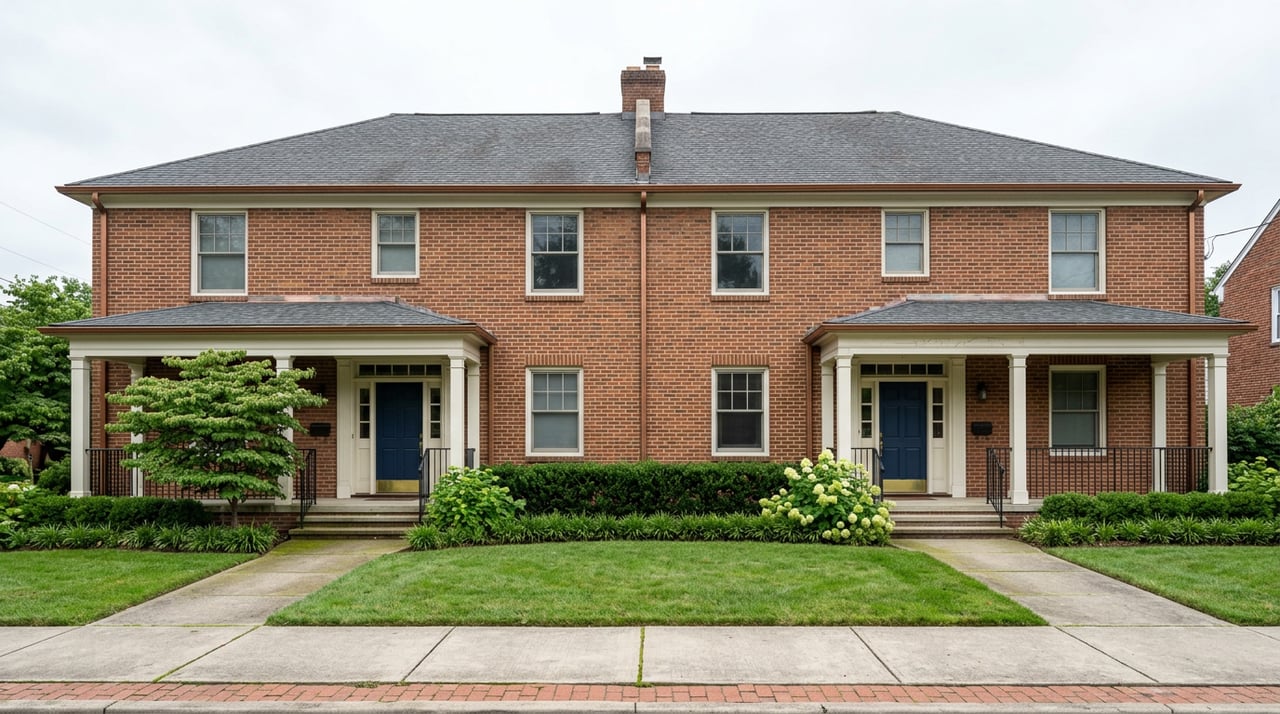
In March 2026, a five-bedroom, three-and-a-half-bath duplex in Arlington's North Highlands neighborhood sold for $1,610,000. Three months earlier, the four-bedroom single-family home right next to it, on an ordinary single-family lot with none of the extra construction or extra unit, sold for $1,615,000.
If you have been following Arlington's fight over "Missing Middle" zoning, that comparison should surprise you. The duplex was built under the county's Expanded Housing Option (EHO) ordinance, a policy that changed what could be built on some lots. In theory, that kind of development potential is valuable. A lot with more development potential should be worth more than a lot with less. Yet here were two properties on the same block, and the one with the extra legal unit sold for less.
That gap is the story. Not the lawsuit itself, which has been grinding through Virginia's courts since 2023, but what the lawsuit's uncertainty is doing to the number that actually matters to you: what your lot is worth today, and what a buyer's lender will actually finance.
What "Missing Middle" Actually Changed
Arlington's County Board adopted the EHO ordinance, and it took effect. The rule allows additional housing on some lots. Before EHO, roughly three-quarters of Arlington's residential land was zoned single-family only. The ordinance was Arlington's answer to a familiar complaint: a county with plenty of income but very little moderately priced housing for people who want to buy in.
Patch reported that the county capped the program at 58 new permits per calendar year, with the cap scheduled to sunset at the end of 2028. That detail matters for anyone doing the math on a specific lot, because even in a world where EHO survives every court challenge intact, the program was never designed to run forever at its current scale.
Three Years of On-Again, Off-Again Zoning
A group of Arlington homeowners sued the county within weeks of the ordinance taking effect, arguing the board had skipped required studies and improperly handed permitting authority to staff. WUSA9 reported that in September 2024, Circuit Court Judge David Schell agreed on four counts and voided the ordinance from the beginning. Arlington Magazine reported that Arlington's Department of Community Planning, Housing and Development told developers at the time that the county could not refund permit fees for projects halted by the ruling, a detail worth remembering if you are ever the one holding a paused permit.
The case did not end there. In June 2025, Yimby Law reported that the Virginia Court of Appeals reversed Schell's ruling, but on a procedural technicality rather than the merits: the plaintiffs had not named the developers holding EHO permits as parties to the suit. That reversal put the ordinance back on the books, and Arlington County's March 2026 EHO annual data report says the county resumed accepting and reviewing EHO applications that October. Then, ARLnow reported on May 19, 2026, that the Virginia Supreme Court agreed to take up the case, meaning yet another round of review before anyone gets a final answer on whether the ordinance itself was ever legally adopted. Jay Hamilton, a spokesperson for the group funding the lawsuit, told ARLnow he expects the case to reach trial within three to six months of that decision, a window that runs from roughly August through November of this year and is already underway as you read this.
As ARLnow reported, County spokesperson Erika Moore put the practical reality plainly after the Supreme Court's decision:
"The County will continue to follow the EHO ordinance and review process as adopted by the Arlington County Board in 2023. The County is prepared to comply with any future rulings on this matter."
That is the strange middle ground Arlington property owners have lived in for three years. EHO is valid law right now. It has also been voided once already, reinstated on a technicality rather than a ruling on its substance, and could be voided again depending on what the Supreme Court decides. Development that is already built is generally understood not to be undone retroactively even if the ordinance falls again, but anything still in the permit pipeline carries real risk.
Why the Premium Isn't Showing Up in the Sales Data
This is where the North Highlands sale becomes useful rather than just interesting. A finished, occupiable duplex with two legal units did not command a premium over the ordinary house next door. There are a few reasons that likely holds, and all of them are worth understanding if you own a lot that could theoretically support an EHO project.
Appraisers price property using recent comparable sales, and with EHO's status unsettled for three straight years, there simply have not been enough completed multi-unit sales in any given Arlington neighborhood to build a reliable comp set for "lot with development rights" as its own category. Absent that data, an appraiser often falls back on treating the property as a larger home with more bedrooms and bathrooms, which is a very different valuation model than pricing in speculative land upside.
Lenders add a second layer of caution. A mortgage underwriter is not going to credit a property's value based on zoning rights that a state Supreme Court could unwind. Financing tends to follow the safest, most defensible number, and right now that number treats the extra unit as square footage, not as an entitlement with its own market.
And the buyers actually purchasing these properties are frequently owner-occupants who want the housing itself, not investors pricing a redevelopment play. Someone buying a duplex to live in one unit and rent the other is comparing it to nearby homes on livability and cash flow, not underwriting a legal outcome that will not be settled for months.
Put together, the entitlement that in a stable regulatory environment might command a real premium is instead being priced as if it barely exists. Whether that changes once the Supreme Court rules, in either direction, is one of the more interesting open questions in the Arlington market right now.
What This Means If You Own a Lot Right Now
If your property sits on an R-5 or R-6 lot that could theoretically support an EHO project, a few things are worth confirming before you assume that potential adds meaningfully to your asking price or your offer strategy:
- Ask whether any EHO permits have already been approved or built nearby, in neighborhoods such as Claremont, Aurora Hills, Bluemont, Lyon Village, or Leeway Overlee, where projects have already moved from permit to construction to closed sale.
- Understand that a pending or future permit application carries real financial exposure if the litigation goes against the county again. Permit fees are not refunded if a project is frozen mid-process.
- Do not assume an appraiser or a buyer's lender will credit development rights at anything close to their theoretical value while the ordinance's legal status remains open. As of April 2026, the county's own dashboard listed 59 approved EHO projects, but that volume has not yet translated into a distinct, reliable market for "entitled lot" pricing.
- If you are weighing whether to sell a lot as-is or explore redevelopment first, the safest planning assumption is that EHO is valid today and could still change, not that it is settled either way.
None of this means an EHO-eligible lot has no value beyond its current use. It means that value has not yet shown up cleanly in the comps, and pricing your expectations around a premium the market has not yet paid is a good way to leave money or time on the table, in either direction.
A Few Questions Worth Asking Before You List or Offer
Does EHO status affect my property taxes right now? No change has been reported tied to EHO eligibility itself. Assessments follow the county's standard process regardless of a lot's zoning potential.
If I am mid-construction on an EHO project when the Supreme Court rules, what happens to my building? Legal analysis of the case so far suggests a ruling against the ordinance would not apply retroactively to structures already completed, though partially built projects sit in a much less certain position.
Should I wait for the Supreme Court to rule before listing a lot with redevelopment potential? That depends on your timeline and risk tolerance more than anything else. The case could resolve within months, or it could produce another procedural ruling that sends things back to square one again, as it has twice already.
If you are trying to figure out what a specific Arlington lot is actually worth while all of this plays out, that is exactly the kind of question that benefits from someone who tracks these cases as they move, not just the headline the day a ruling lands. Ricardo Vasquez works with buyers and sellers across DC, Maryland, and Northern Virginia, and can walk through what your property's zoning status realistically means for pricing today. Let's Connect.
This article is general information, not legal, tax or financial advice. Consult a qualified professional about your situation.